1 What is IoT?
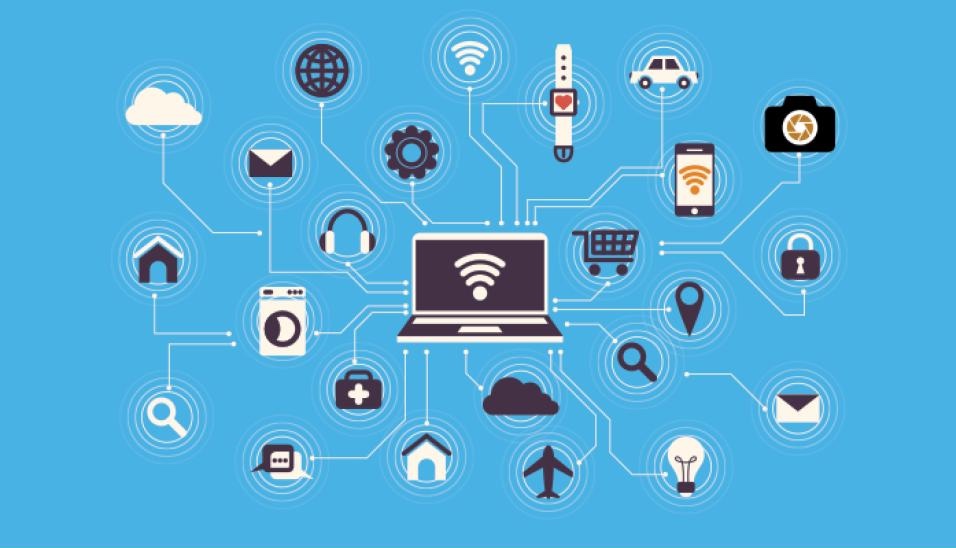
There are many devices that can be connected to the internet, such as smart watches, thermostats, lighting and surveillance cameras.
These devices can be connected to the internet to make them “smart” and able to be controlled and monitored remotely. It can be us humans who control and monitor, or software that automates routines of the smart device and can alert us if the device reports something different in its routine.
Here are examples of IoT devices in use today:
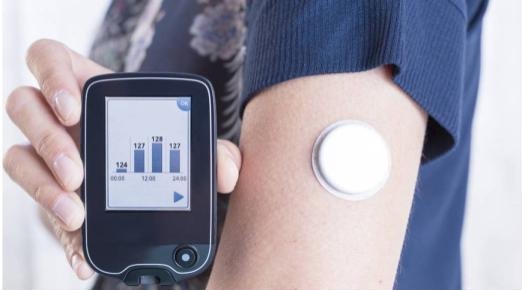
- Connected glucose sensors for people with diabetes. It can continuously measure the person’s glucose level and tells the measurements to a device or a smartphone, so that he can receive an insulin dose when needed.
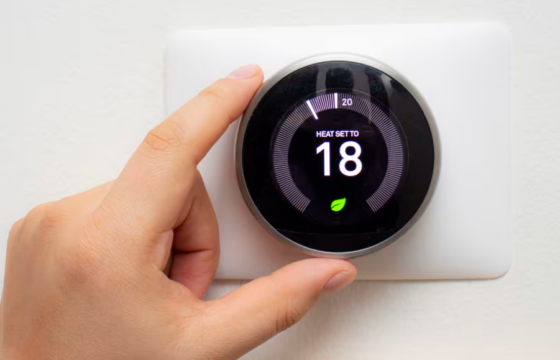
- Smart thermostat that can be controlled via a mobile phone, a tablet or another smart home device ( Alexa ).
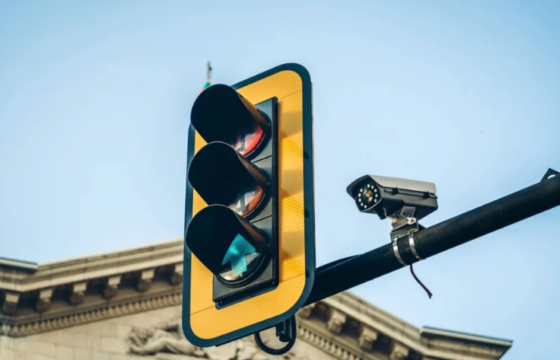
- Smart traffic lights that have sensors and/or a connected camera. The sensors and the camera read the traffic flow and, with the help of software, tell the traffic lights (via the Internet) when the lights can adjust the time intervals for red or green light; it to reduce the waiting time for motorists and to reduce vehicle emissions .
Can you think of other devices that you think can connect to the internet?
2 How does IoT work ?
First – what is a sensor? A sensor is a device that measures things in its environment. It can sense something and can communicate it via the internet to us.
IoT devices have a sensor that communicates with a central server via the internet. Information or data that devices collect is sent back and forth between the devices and the server to perform various tasks.

3 Case study
Open Antiloop.eco and check the control panel for your school.
Make a note of what data is displayed in Antiloop.
Discuss how this data is collected? In which sensors and other data collection are there in your school?
Discuss what can be done with the data found in Antiloop ?
- For example, if CO2 rises too high in the classroom, what can be done?
4 What have we learned?
Summarize what you have learned.
Objectives of the lesson
After completing the lesson, students should be able to:
- Discuss and reflect on how sensors and data can be used by
- Understand the concept of the Internet of Things ( IoT ) and how it is used to connect and control devices and sensors.
- Enter Antiloop and find the various data visualizations.
Material
What you need to conduct the class:
- Sensors installed in your school that are connected to Antiloop
- Computers or tablets to use Antiloop

Teacher instructions
The purpose of the lesson is to give students a basic understanding of the Internet of Things ( IoT ) and an introduction to Antiloop.
Read through the lesson. If you feel unsure about what the Internet of Things is and how it works, you can check here IoT – how it works – IoT Sweden. Decide whether students work individually on the tasks in the lesson or in small groups. The development of the Internet of Things is fast: feel free to look for new examples of connected devices that are relevant to students’ lives.
Check into Antiloop and ensure that your school’s sensors are working and the data is updated.
Go through the steps of the lesson with the students.

Curriculum connection
Teaching in the subject of technology should aim for students to develop an interest in and knowledge of the technology that surrounds us. Students must be given opportunities to develop an understanding that technology is important to and affects people, society and the environment. In this way, students can develop a technical awareness and an ability to relate technical solutions and their own use of technology to issues related to sustainable development.
In teaching, students must be given opportunities to use the concepts of the subject and to develop knowledge of how technical solutions are used and work. By making technical solutions visible and comprehensible in teaching, students are given the conditions to orient themselves and act in a technology-intensive world.
Technology, people, society and environment
- Consequences of technology choices: the pros and cons of different technical solutions for people and the environment.
Technical solutions
- How some components in common technical systems are named and interact, for example in a bicycle or in a simple production or transport system.
- Technical solutions that use electrical components and simple electronics to produce sound, light or movement, for example alarms and lighting. Be grips used in connection with this.
Related lessons


Feedback

- How do you think that format works with hidden instructional images along with images that can be used in the classroom?
- What do you think of the content?
- How much does the teaching material need to be adapted based on whether it is to be used in primary, middle or upper secondary school?
- Does having the material in Google Drive work?
- How do you think you as a teacher best collaborate and advise others on lesson plans?
- Other comments?